
How to Avoid Them and Keep Your Home Safe
Overloading Electrical Outlets
One of the most common electrical mistakes homeowners make is plugging too many devices into a single outlet or power strip. When you overload an outlet, the wiring behind the wall becomes strained, generating excessive heat that can melt insulation, damage the circuit, and potentially ignite a fire.
Many homeowners rely on power strips and extension cords as permanent solutions without realizing these are designed for temporary use only. If you find yourself constantly needing more outlets in certain rooms, this indicates your home’s electrical system may not meet your current power demands.
The fix is straightforward but requires professional attention. A licensed electrician can install additional outlets in high-traffic areas, upgrade your electrical panel to handle increased loads, or install dedicated circuits for appliances that draw significant power. Never daisy-chain power strips together or use them as long-term solutions for insufficient outlets.
Using the Wrong Wattage Bulbs
Installing light bulbs that exceed the recommended wattage for your fixtures is a fire hazard that many homeowners overlook. Each light fixture has a maximum wattage rating printed on a label inside the socket or on the fixture itself. Exceeding this rating causes the fixture to overheat, which can damage the socket, melt wire insulation, and ignite nearby materials.
This mistake becomes particularly dangerous in enclosed fixtures where heat has nowhere to dissipate. Recessed lighting, closet fixtures, and covered ceiling lights are especially vulnerable to overheating when improper bulbs are installed.
The solution is simple: always check the maximum wattage rating before installing a bulb. If the label has worn off or you cannot locate it, assume a conservative 60-watt maximum for standard fixtures. Better yet, switch to LED bulbs, which produce the same light output as higher-wattage incandescent bulbs while generating far less heat and using significantly less energy.
Ignoring GFCI Protection
Ground Fault Circuit Interrupter (GFCI) outlets are required by electrical code in areas where water and electricity might come into contact, including bathrooms, kitchens, laundry rooms, garages, and outdoor spaces. These specialized outlets detect electrical imbalances and shut off power within milliseconds, preventing potentially fatal electric shocks.
Many older homes lack GFCI protection entirely, while others have GFCI outlets that have never been tested or have stopped functioning properly. Homeowners often fail to test these devices monthly using the built-in test button, leaving their families vulnerable to electrical hazards.
If your home was built before the 1970s or you have standard outlets in wet locations, you need GFCI upgrades. A qualified electrician can replace standard outlets with GFCI-protected versions or install GFCI circuit breakers that protect entire circuits. Regular testing takes seconds: simply press the test button to ensure the outlet trips, then press reset to restore power. If the outlet fails to trip or will not reset, replacement is necessary immediately.
DIY Electrical Work Without Proper Knowledge
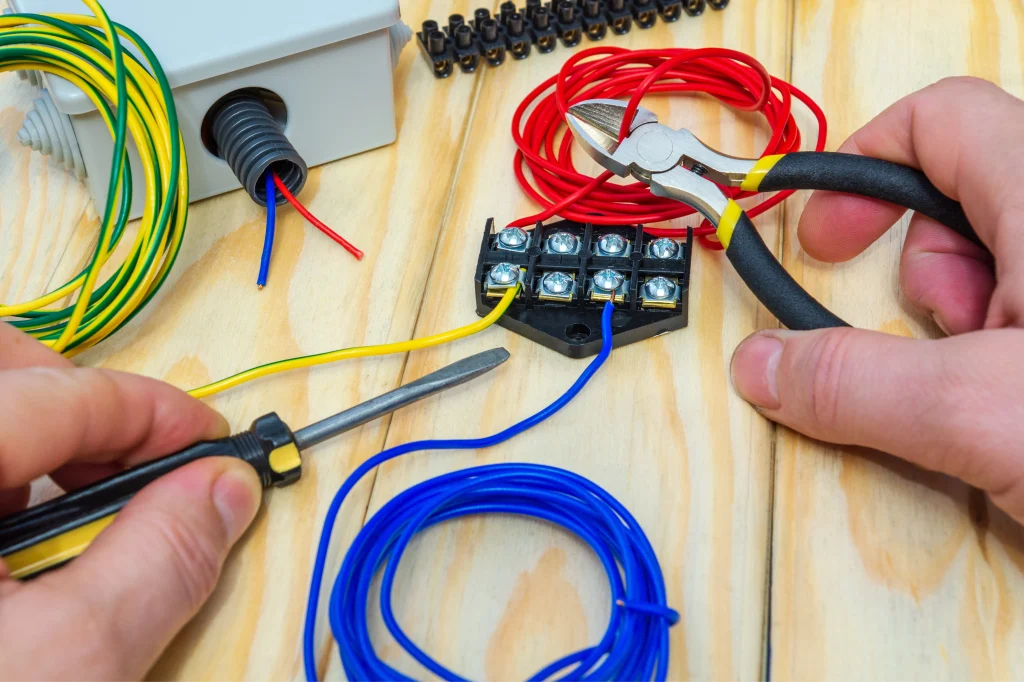
The rise of online tutorials has emboldened many homeowners to tackle electrical projects beyond their skill level. While changing a light bulb or resetting a breaker is safe, anything involving wiring, circuit modifications, or panel work poses serious risks when performed without proper training and licensing.
Incorrectly wired switches, outlets, and fixtures can create hidden hazards that do not manifest immediately. A reversed polarity connection might work perfectly for months or years before causing a fire or electrocution. Improper wire connections, inadequate wire gauges, missing junction box covers, and bypassed safety features are common DIY mistakes that create dangerous conditions.
Electrical work is regulated by code for good reason. Licensed electricians undergo years of training and must pass rigorous examinations demonstrating their knowledge of safe practices and current regulations. When you need electrical work performed, hiring a qualified professional protects your family, preserves your home’s value, and ensures compliance with safety standards. At Grundahl Electric, our registered Master Electricians bring over 19 years of experience to every project in the West Bend area, delivering reliable workmanship at affordable prices for both residential and commercial electrical needs. Whether you need panel upgrades, remodeling services, or safety inspections, working with experienced professionals ensures your electrical system is installed correctly and safely from the start.
Neglecting Regular Electrical Inspections
Most homeowners never think about their electrical system until something goes wrong. This reactive approach means that dangerous conditions often develop unnoticed until they cause serious problems. Outdated wiring, corroded connections, overloaded circuits, and degraded insulation deteriorate gradually over time, creating increasing fire risks.
Homes in Wisconsin experience significant temperature fluctuations throughout the year, which cause expansion and contraction in electrical components. Over time, these cycles can loosen connections and stress wiring systems, particularly in older homes with aluminum wiring or outdated electrical panels that were not designed for today’s electrical demands.
Professional electrical inspections identify potential hazards before they become emergencies. During an inspection, a licensed electrician examines your entire system, testing outlets, evaluating panel conditions, checking for proper grounding, and identifying code violations or safety concerns. If your home is more than 25 years old, has undergone additions or renovations, or you have noticed warning signs like frequently tripping breakers, dimming lights, or burning smells, scheduling an inspection should be a priority. Regular inspections provide documentation of your system’s condition, which can be valuable for insurance purposes and future home sales.